

NY SMALL BUSINESS FUNDERS COLLECTIVE — GRANTEE STORIES
How small business intermediaries are rewriting access to capital, markets, and opportunity in New York.
Ten partnerships. Two cohorts. The work our grantees have been doing on the ground — told through the entrepreneurs, contracts, coalitions, and courage that make it possible.
The NY Small Business Funders Collective invests in intermediaries — nonprofit organizations whose daily work is clearing paths for historically excluded entrepreneurs into capital, contracts, and coalitions they couldn’t have reached alone.
The stories below come from our grantee partners. They feature the small business owners our grantees serve, the strategic moves that opened new doors, and the measurable outcomes that followed. Cohort One stories reflect completed final reporting; Cohort Two partnerships are still in motion, with new milestones arriving each reporting cycle.

Cohort One
Five Partnerships,
Closed and Counted.
Planning · June 2023 · Implementation · June 2024 · Final Reporting · March 2025
Five partnerships spanning planning (June 2023), implementation (June 2024), and final reporting (March 2025).
Small Contractors, Big Sustainability: Building a Toolkit for the Green Economy
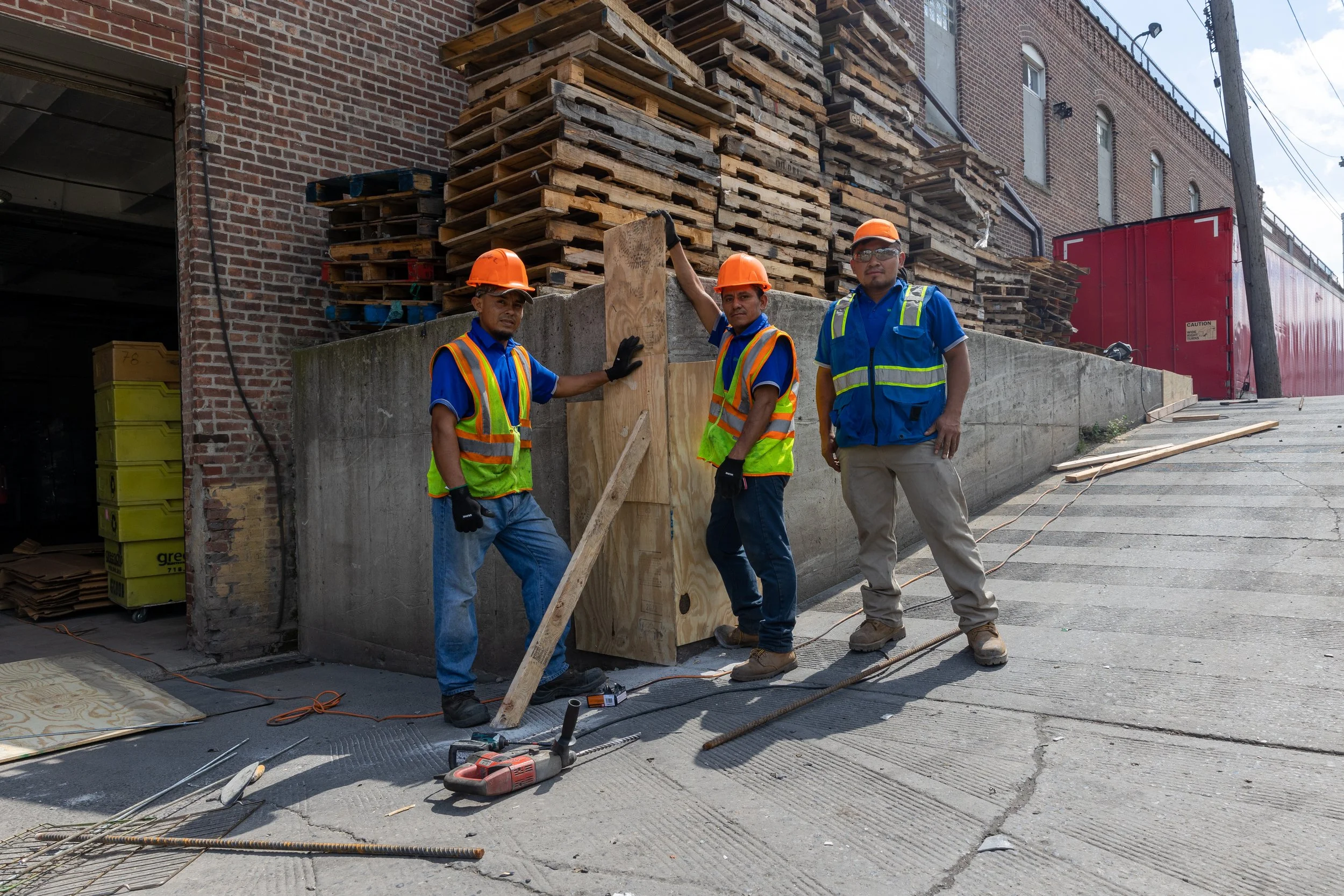
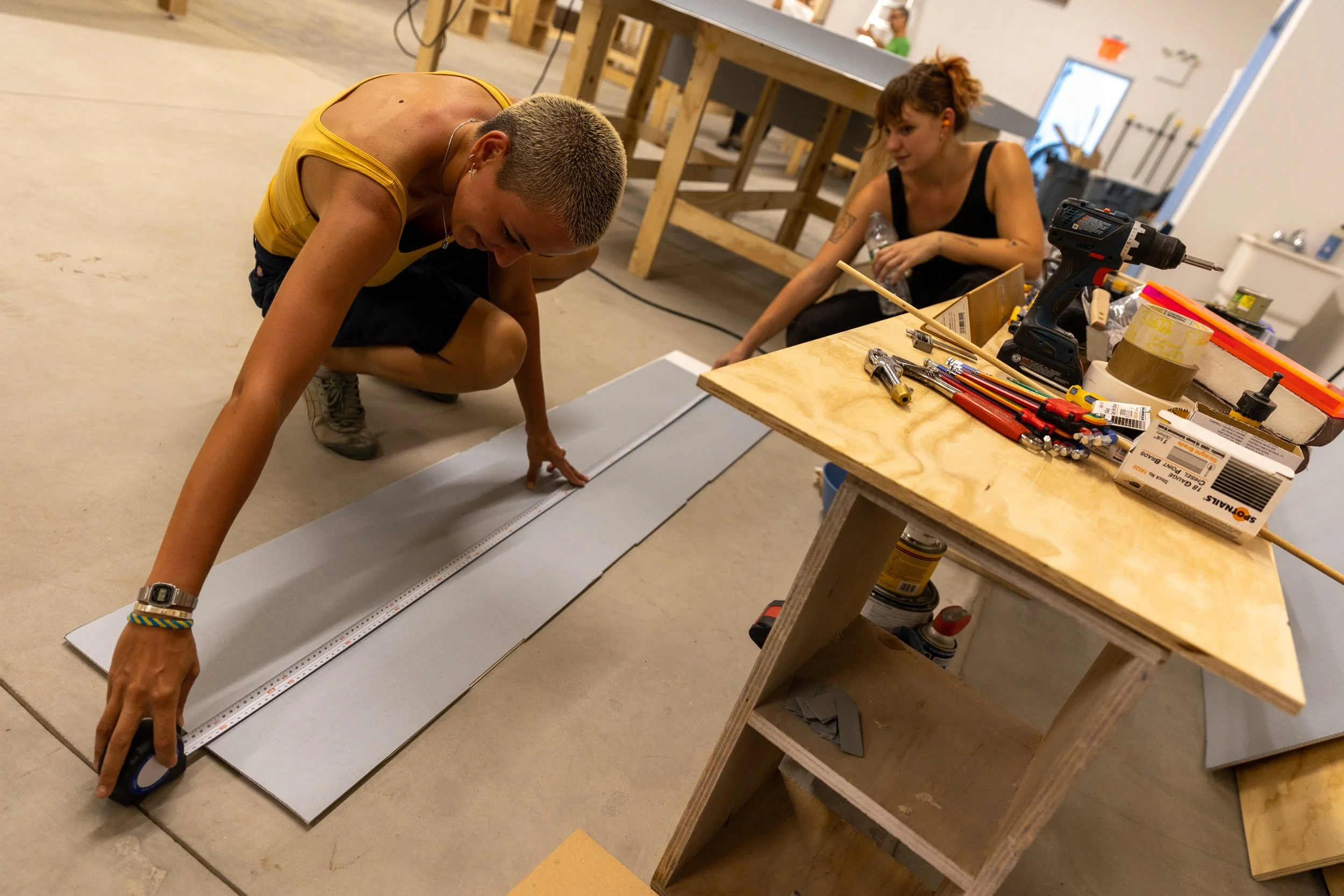
The Growing Green Business Collaborative convened a Sustainability Advisory Council (SAC) to connect MWBE contractors with the emerging green economy — waterfront infrastructure like the South Brooklyn Marine Terminal, HVAC retrofits, and utility upgrades. A core challenge surfaced quickly: small contractors weren’t being priced out of sustainability projects because they couldn’t do the work. They were being priced out by the paperwork.
Two SAC members began building a solution. An MWBE contractor partnered with a representative from Willdan, the technical consulting firm for Con Edison, to develop a toolkit that could be applied universally to small contractors facing the administrative burden of sustainability projects. The MWBE contractor had a specialty her peers didn’t: contract administration itself.
“Our role as SAC administrators is to foster this kind of collaboration, and we look forward to continuing that work next year.”
The collaboration’s ripple effects reached into curriculum. BOC (Business Outreach Center) folded green construction modules into Construct NYC, its contractor education program run with NYCEDC. What began as a council became an incubator for practical tools and systemic change — exactly what client-centered intermediaries, given room to collaborate, can produce that no single organization could build alone.
BOC updated its Construct NYC curriculum to include green construction; the SAC produced a cross-applicable paperwork toolkit for small contractors.
Sophia of Jeunju: A Legacy Restaurant Rebuilds in Queens’ Koreatown
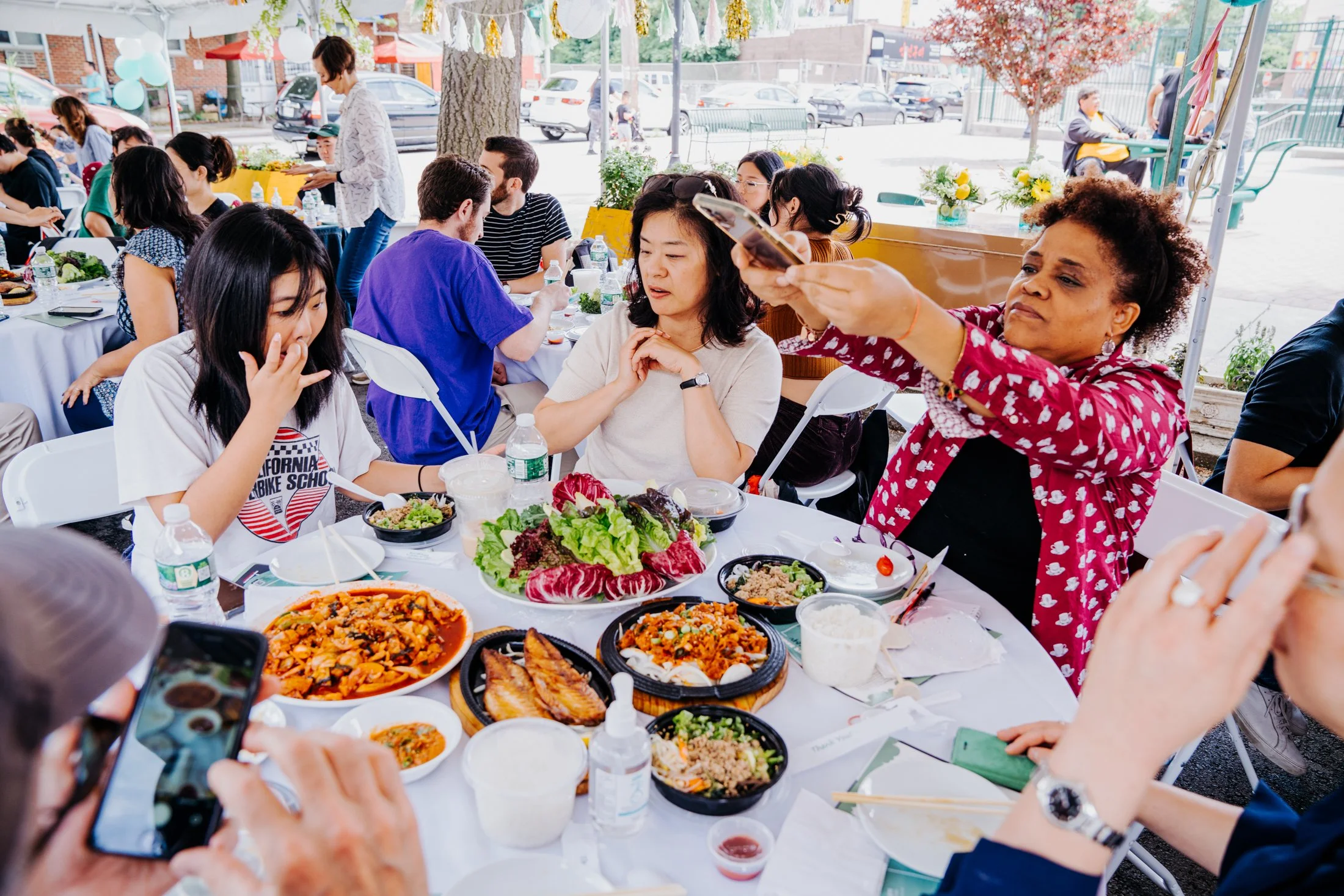
For over two decades, Jeunju Restaurant has been a cornerstone of Murray Hill’s “Food Alley,” serving Korean soul food from recipes passed down by owner Sophia’s mother. Before COVID, Sophia’s regulars were largely Korean elders from Northeast Queens. The pandemic changed everything — fears of the virus and a wave of anti-Asian violence kept many of her longtime customers home, and with limited tech resources, Sophia struggled to reach new audiences online.
The Asian American Federation’s Commercial Corridor Revitalization Project stepped in. With NYSBFC funding, AAF expanded its support: optimizing Jeunju’s Google Business Profile, building an Instagram presence and training Sophia’s team to maintain it, connecting the restaurant to UberEats, and introducing it to local food writers. AAF also produced a promotional video that circulated widely on social media.
“These strategic interventions have helped Jeunju thrive in an evolving marketplace.”
The results were immediate and measurable. In January 2024, the restaurant logged 1,595 Google Business Profile interactions — an 88% year-over-year increase — and online menu views jumped 107%. New, non-Korean patrons began filling seats once held by regulars who hadn’t returned. Jeunju didn’t just survive the pandemic; with the right technical scaffolding, it adapted into a stronger, more discoverable version of itself.
88% increase in Google Business Profile interactions (1,595 in January 2024); 107% increase in online menu views year-over-year.
From Cash Flow to Capital: Ebru Opens the Door at Nettle Kitchen
Ebru has spent 20 years cooking in professional kitchens across New York City. When she decided to build her own business — Nettle Kitchen, a plant-forward operation offering corporate catering, private chef services, and weekly meal delivery — she had the culinary chops but needed financial infrastructure to match.
Through Hot Bread Kitchen’s partnership with TAP, Ebru completed a capital readiness assessment that gave her an honest diagnosis: she was close to ready, but not there yet. TAP then provided customized technical assistance, helping her build cash flow projections, tighten expense management, and drive sales growth. With those financials in hand, she was introduced to Renaissance Capital, walked through the loan application process, and supported as she submitted a request for $20,000 in working capital to expand Nettle Kitchen’s operations.
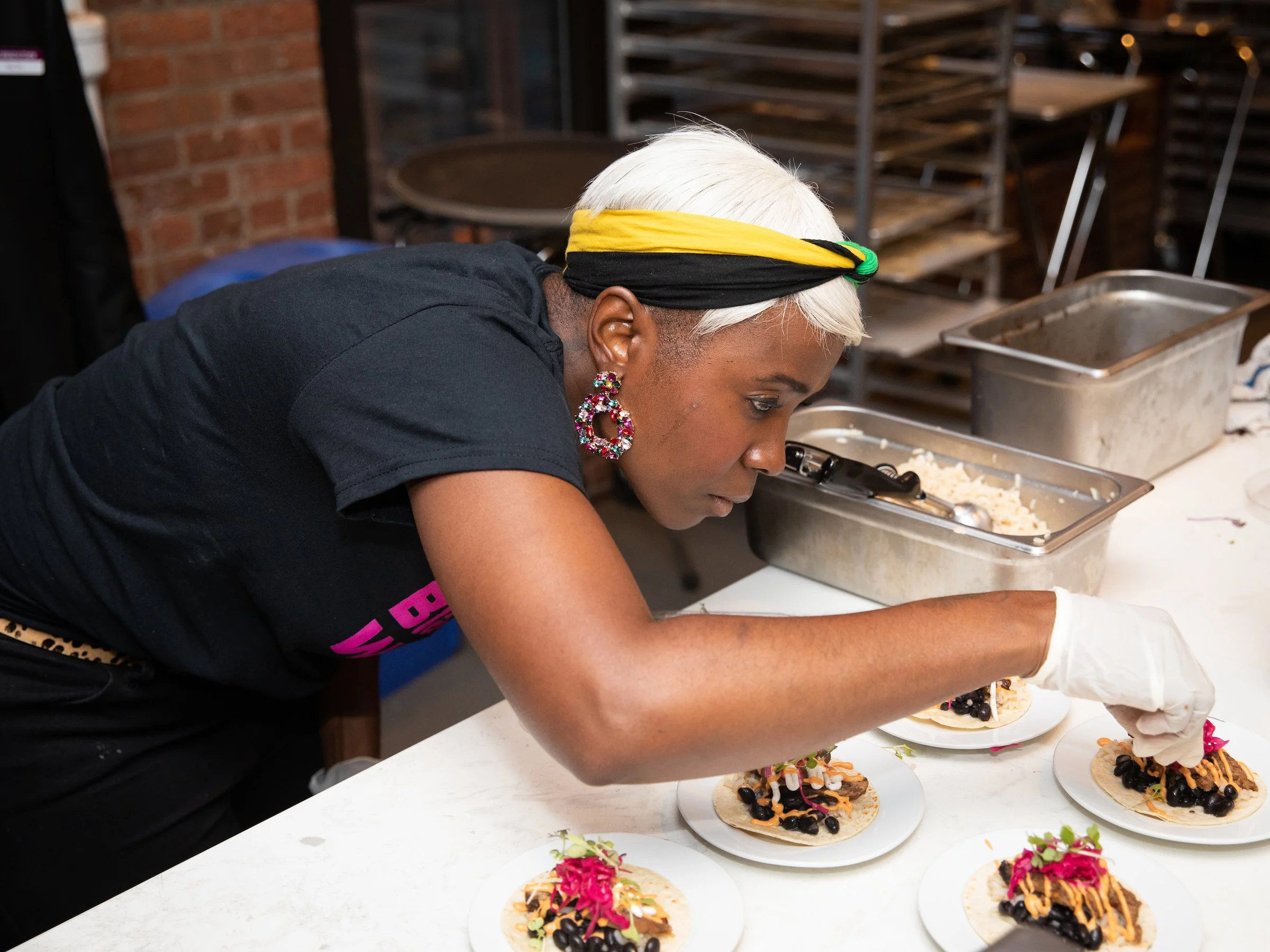
“She recently submitted a loan application for $20,000 of funding that will allow her to expand her operations.”
Ebru’s journey is one slice of a bigger arc. The project also spotlighted HBK alumnae like Pabade Bakery, which began in HBK’s La Marqueta incubator in 2016, opened Pabade Cafe in East Harlem in 2019, expanded to Union City in 2023, and now distributes to 26 bakeries across Brooklyn, Queens, and Manhattan. Pabade now sits on the project’s Small Business Advisory Group — evidence that capital readiness, done right, compounds across generations of women-of-color food entrepreneurs.
$20,000 loan application advanced for Nettle Kitchen; HBK alumna Pabade Bakery grew from incubator (2016) to 3 locations and 26 wholesale accounts.
13 Partnerships, One Collaborative Spirit: Brooklyn’s Food Makers Find Each Other
The Brooklyn Food Guild’s planning project wasn’t only about connecting food businesses to capital or market access — it was about testing whether a culture of cooperation could be engineered. Year Two focused on ten food businesses, strengthening each individually while convening them online and in person around shared opportunities.
Something unexpected happened. Independent of the structured Etsy pilot the project team set up, the cohort generated thirteen organic partnerships among themselves: sharing labor to execute new business, creating joint offerings, and supporting each other’s pitches to high-profile corporate buyers.
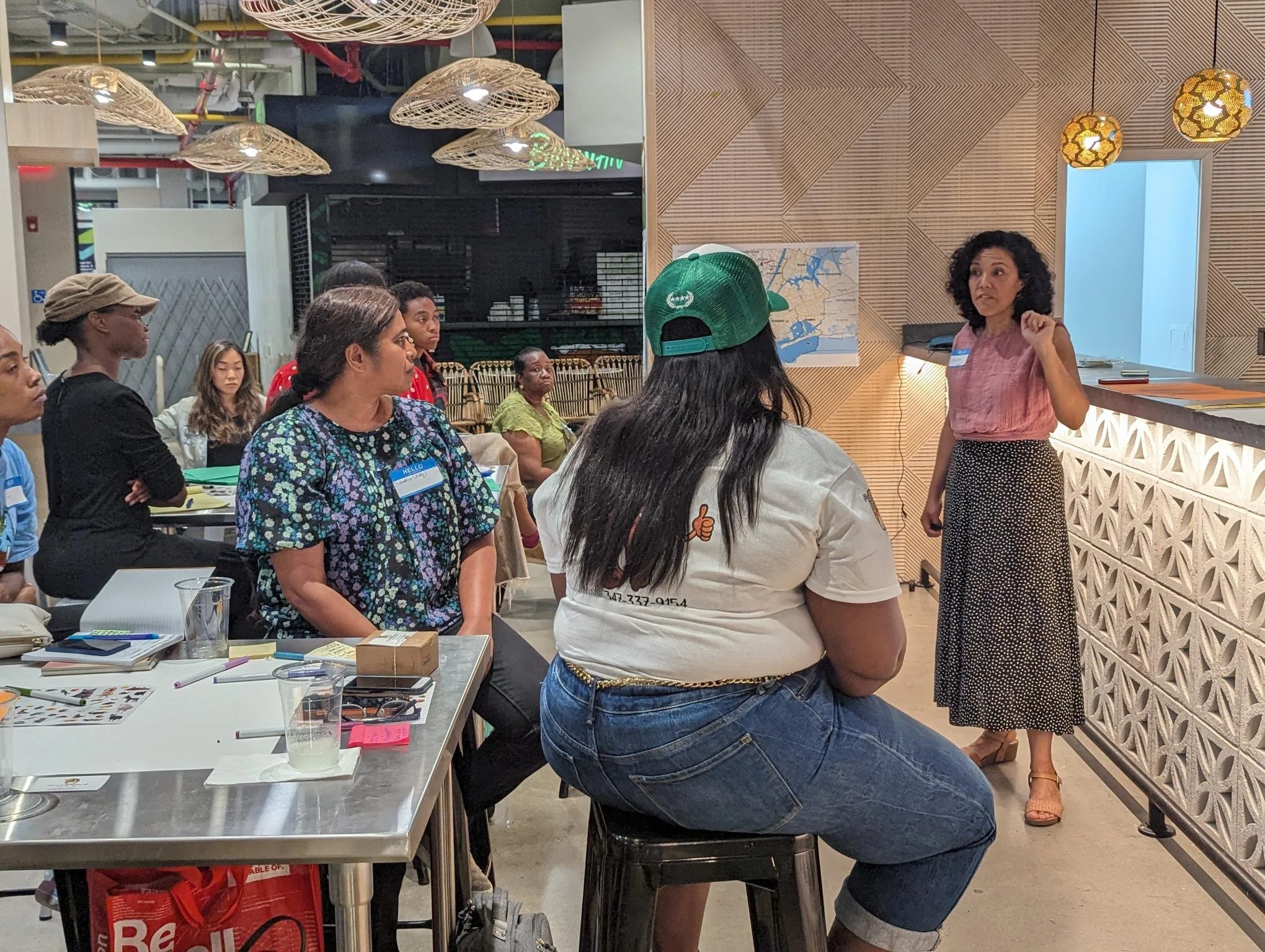
“Independent of the Etsy pilot opportunity… cohort businesses brought to life a total of 13 new, organic partnerships among themselves.”
The cooperation extended outward too. Tokunbo Anifalaje, representing Restoration, was selected for the Brooklyn Communities Collaborative Health Enterprise Advisory Council — and used that platform to bring the Food Guild into intersectional conversations about the wealth gap, Black economic health, and social determinants of health. She also opened the door for Urbane to join those discussions. Urbane, in turn, began seeding Food Guild concepts across its incubator, Community Business Academy, market vendors, and Caribbean food icons along the Flatbush corridor. Those conversations confirmed the project’s hypothesis: micro-businesses are ready for cooperative growth — they’ve been waiting for someone to ask.
13 organic partnerships formed among 10 cohort businesses; Food Guild concepts seeded into the BCC Advisory Council, Urbane’s incubator, and the Flatbush corridor.
From “White Box” to Soundview Economic Hub: Reclaiming 22,500 Square Feet for the Bronx
For years, the site that would become the Soundview Economic Hub was gray infrastructure — a piece of the Bruckner corridor that bisected Bronx neighborhoods rather than connecting them. In early May 2024, Youth Ministries for Peace & Justice walked into the 22,500-square-foot space for the first time after the New York State Department of Transportation completed its site-readiness reconstruction and handed the property over as a “white box.”
Standing in the space alongside partners from Bronx Defenders, the Urban Design Forum, and the Association for Neighborhood Housing and Development, the project’s vision shifted from theoretical to visceral. By September 2024, YMPJ was hosting small businesses on site. At a ribbon-cutting press conference, vendors shared what the Hub already meant to them.
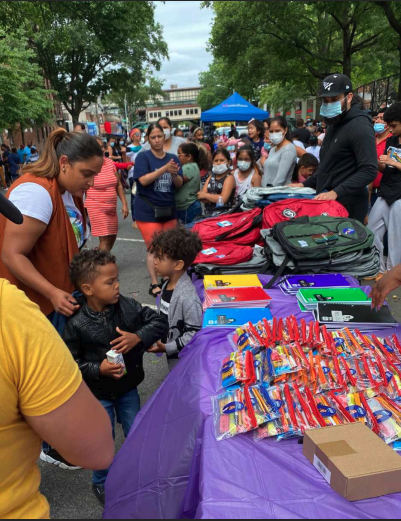
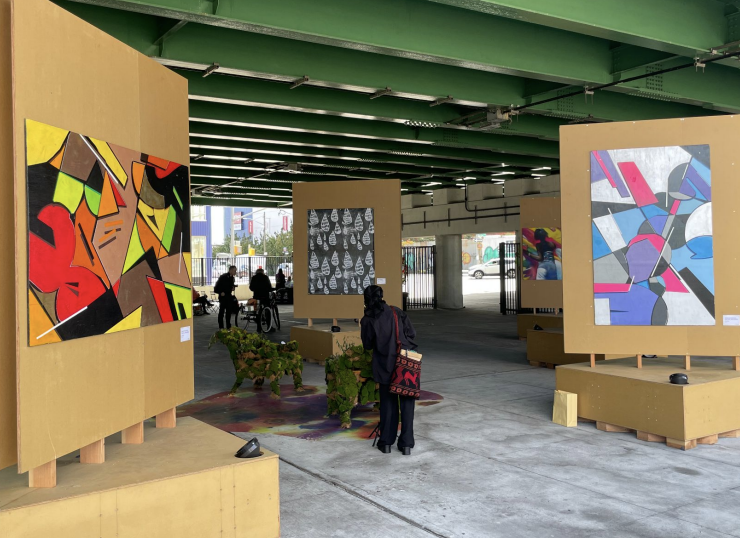
“YMPJ’s ‘Under The Bruckner’ is a space where creatives are fed and showcased. The Bronx is a magical place, and YMPJ is highlighting that.”
Chef Chrystina Casado of Brunch at Zion’s called it “a space where creatives are fed and showcased.” Wilde, Flowers & Books — a Bronx-born online children’s bookstore tackling literacy equity gaps — saw the Hub’s vendor trial as a launching pad toward a physical storefront. The Soundview Economic Hub is more than a venue. It’s a reassembly of a neighborhood the city’s gray infrastructure tried to divide — staged by and for the people who never left
22,500 sq ft reclaimed for Bronx small businesses; on-site vendor hosting began September 2024.
Cohort Two
Five Partnerships
in Motion.
Active implementation · Interim Reporting · September 2025 · Update · January 2026
Five partnerships in active market-access implementation. Interim reporting September 2025, update January 2026. Stories in motion — expect updates each reporting cycle.
A Brooklyn Drone Company Charts a Roadmap into Offshore Wind
Offshore wind conjures images of turbines and deep water — but the industry’s real supplier base looks a lot more like a Brooklyn drone company. Aerial Works, Inc., a Black-owned, certified MBE founded by Charles “Chuck” Wimbley, provides aerial surveying and data-capture services for commercial, industrial, and infrastructure projects.
Through Growing Green’s Cohort Two market access work, Chuck received an in-depth “Roadmap” consultation — a collaboration between Growing Green and offshore wind technical experts at Xodus. The process reviewed Aerial Works’ current capabilities, surfaced offshore wind-specific market insights, and ran workshops to refine the company’s value proposition, customer profiles, and next steps.
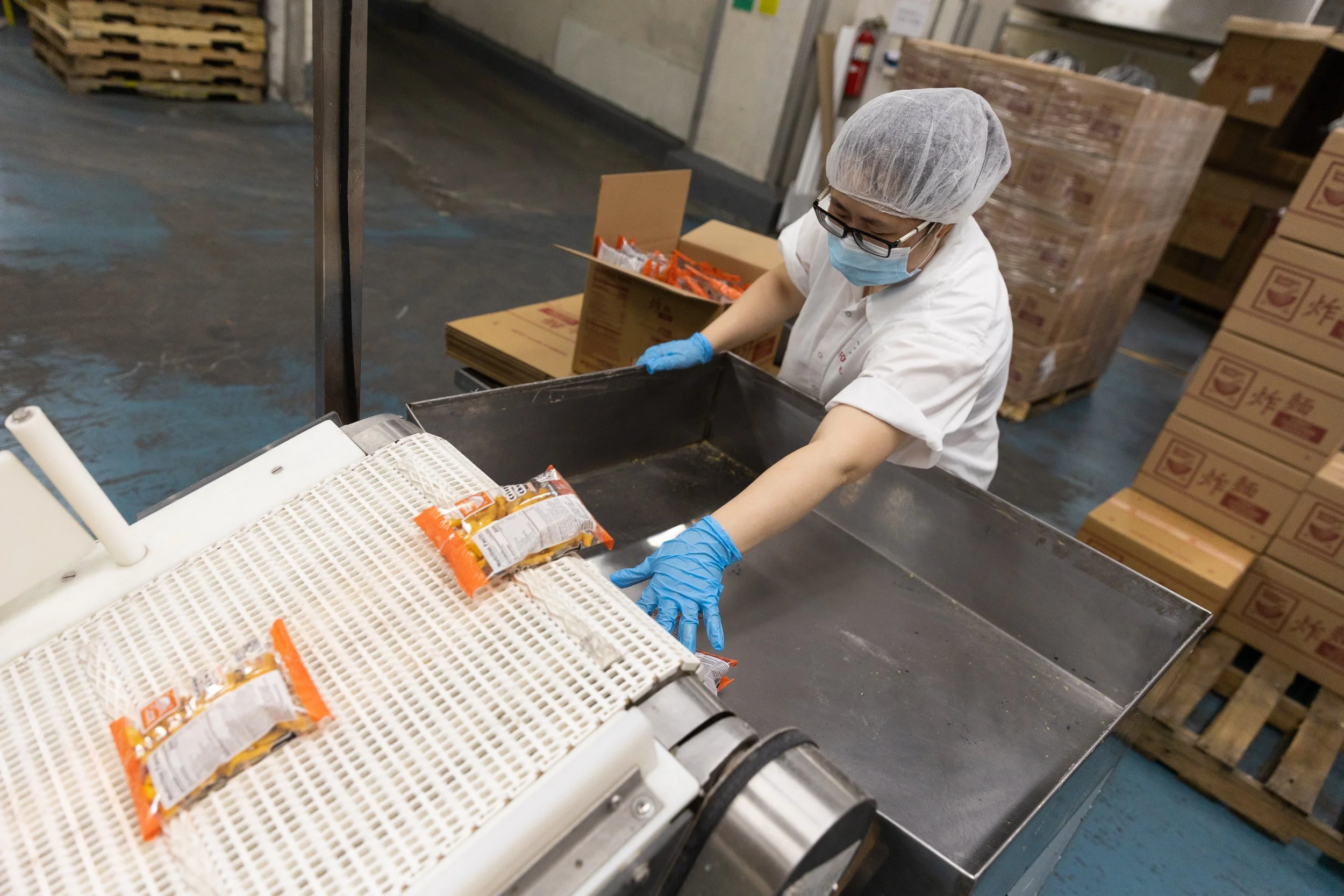
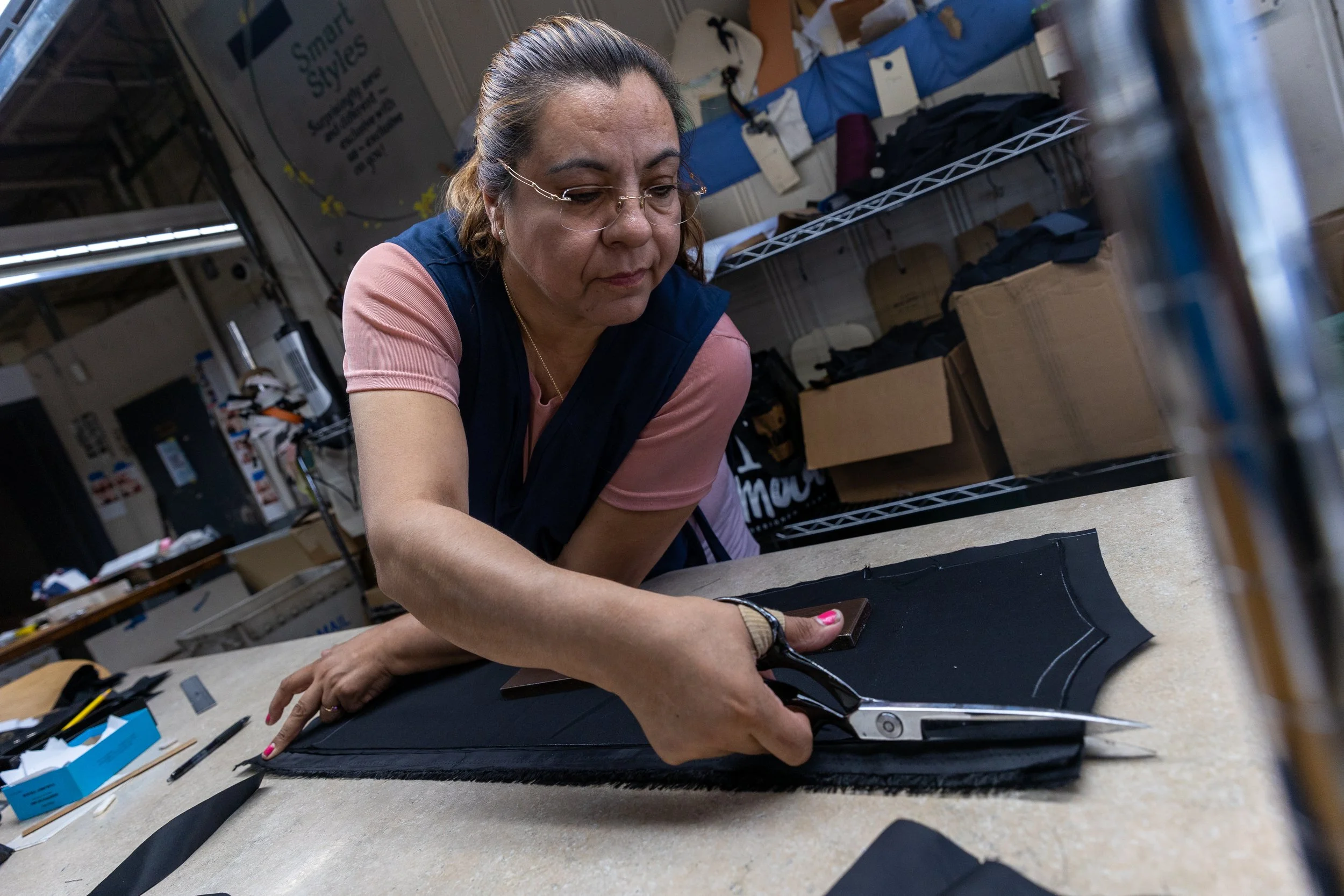
“You would think that offshore wind has to do with wind turbines and water and things like that, but a business from East New York that does fencing is getting offshore wind contracts.”
That strategic work paid off quickly: Aerial Works landed a contract documenting cable-laying for the Empire Wind project, its first foothold in offshore wind. Aerial Works is one of thirty minority-owned businesses Growing Green consulted in Cohort Two, thirteen of whom were directly recommended to offshore wind procurement officers for specific scopes. Another Cohort Two partner — a fencing contractor from East New York — has grown to thirty employees on the back of offshore wind contracts. Diversifying supplier networks in the green economy, it turns out, isn’t only about opening new sectors. It’s about teaching MBE firms how to see themselves in them.
30 minority-owned businesses consulted; 13 directly recommended to offshore wind procurement officers; East New York fencing contractor scaled to 30 employees via offshore wind contracts.
$8,500 at Yelp, a Food Truck at Lincoln Center: Small Food Businesses Break Into New Markets
Cohort Two’s market access work with Hot Bread Kitchen moved nine small food businesses into contracts they would have struggled to land on their own. The range was wide — from $500 introductions to an $8,500 order that transformed a brand.
HBK connected CPG snack maker Live Loud Foods with Yelp, which purchased 1,700 units of their candied nuts in a single deal. 2 Girls & a Cookshop and Fauzia’s each occupied food trucks at Lincoln Center’s Summer for the City Festival, each bringing in more than $7,000.
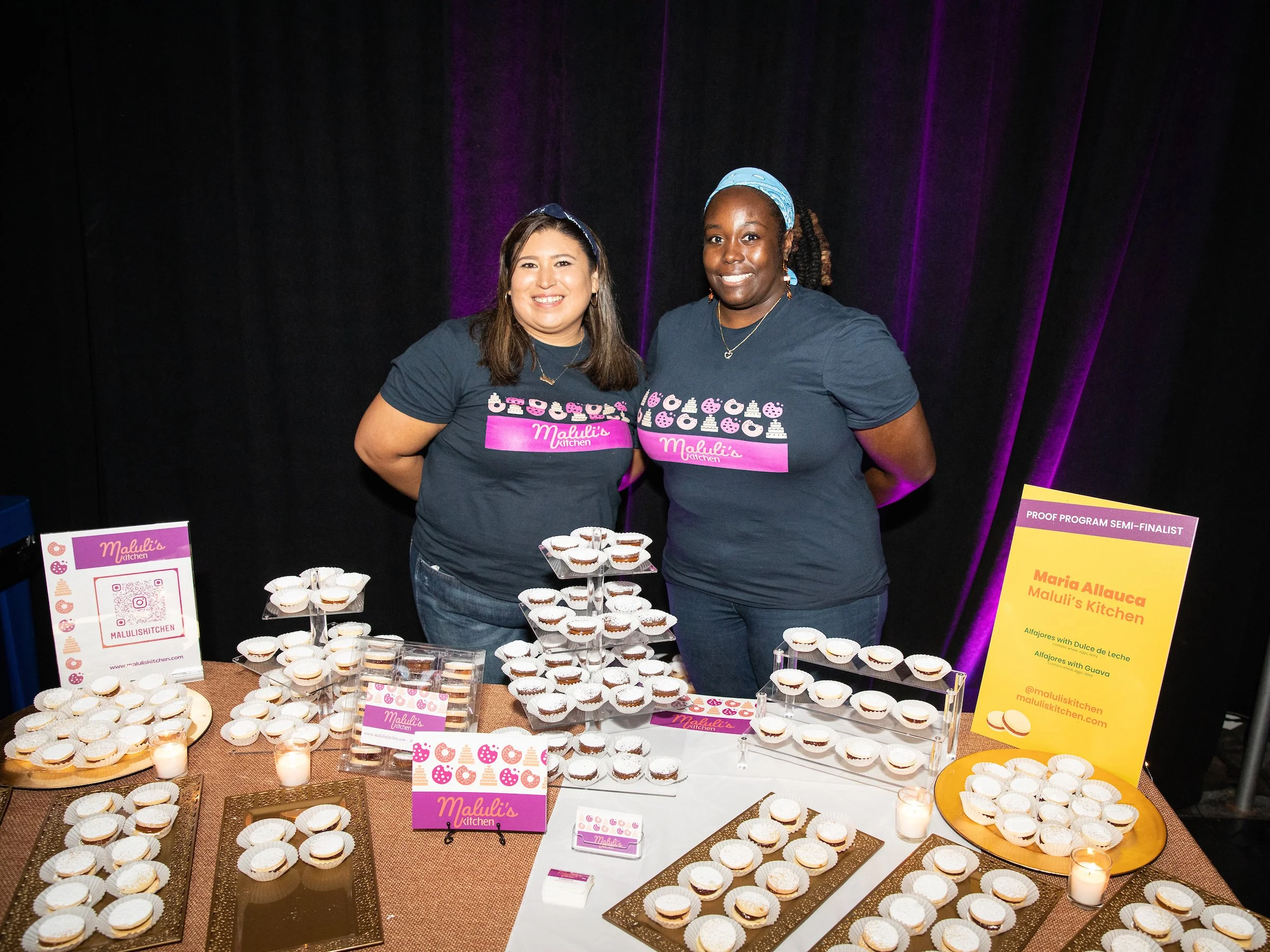
“Nine small food businesses gained an access to market opportunity in 2025, ranging in size from small opportunities of $500 up to major opportunities of $8,500.”
The work wasn’t only about booking deals. HBK also navigated the fine print on behalf of solopreneurs. Keisha of Block Foods landed a placement in the Fifth Avenue Hotels mini-bar — a real milestone — but the contract’s 90-day payment terms posed a cash flow risk for a one-person operation. HBK advocated on Keisha’s behalf and helped her assess whether she could carry the wait. Market access, done well, means being both the opener of doors and the defender of terms at the threshold — the difference between a contract that grows a business and one that breaks it.
9 businesses placed in 2025; $8,500 Yelp order (1,700 units) for Live Loud Foods; $7,000+ each for 2 Girls & a Cookshop and Fauzia’s at Lincoln Center; Fifth Avenue Hotels mini-bar placement for Block Foods.
When the City Says No: Action OSH and the Co-op MWBE Certification Path
Action OSH is a worker-owned cooperative — five or six members — delivering occupational health and safety training to workers across New York City. For years, they’ve done strong work through nonprofit contracts, but direct contracts with the city remained elusive. The roadblock was MWBE certification: Action OSH had applied, and been rejected.
Working World stepped in to change that outcome — and, in the process, to change the process itself. They facilitated a conversation directly between Action OSH and the city’s Department of Small Business Services (SBS), working through where the application had gone wrong and what a successful application actually requires. Action OSH is now re-applying, and is scheduled to present live the following week — sharing what they learned so that other worker cooperatives navigating the same system can avoid the same rejections.
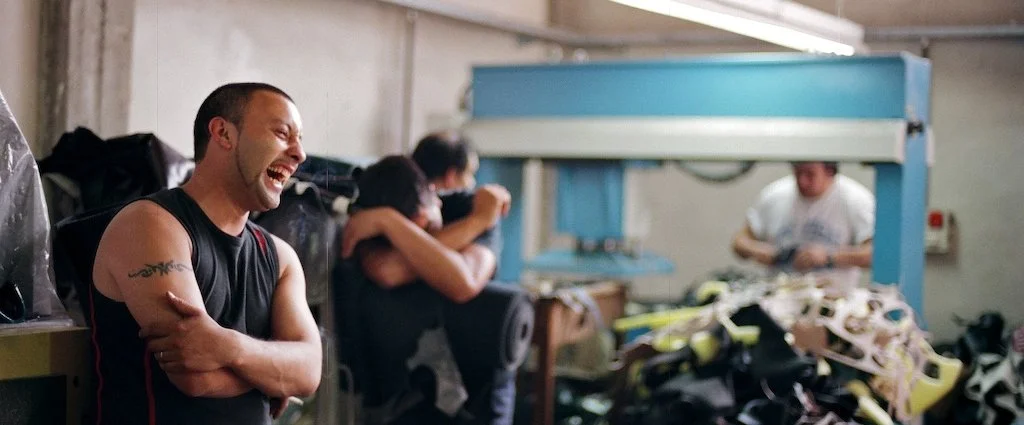
“It’s really exciting to support businesses ourselves and to educate the city ourselves.”
The partnership highlights something often missed in discussions of market access: sometimes the barrier isn’t the market at all. It’s the certification pipeline, and the assumption that cooperative structures fit neatly into small business definitions built for sole proprietors. Working World is educating both sides — the co-ops and the city — so the next MWBE certification isn’t a maze to be solved in isolation.
Action OSH re-entering MWBE certification with a live knowledge-transfer session to peer worker cooperatives.
A $605,000 Uncollateralized Loan, Backed by a Con Edison Contract
TruFund’s Cohort Two story starts with an unusual credit risk question: what happens when a small construction firm — a longtime borrower with a 10-to-12-year track record — wins a major contract at the last minute and needs capital too fast for traditional banks to move?
The borrower, an eastern Brooklyn construction firm, had just been selected to provide foundational support for a new development, with Con Edison as the end customer. The contract required the firm to take on heavy payroll immediately, paying overtime out of pocket to meet project timelines. A commercial bank wouldn’t have touched the deal on that timeline.
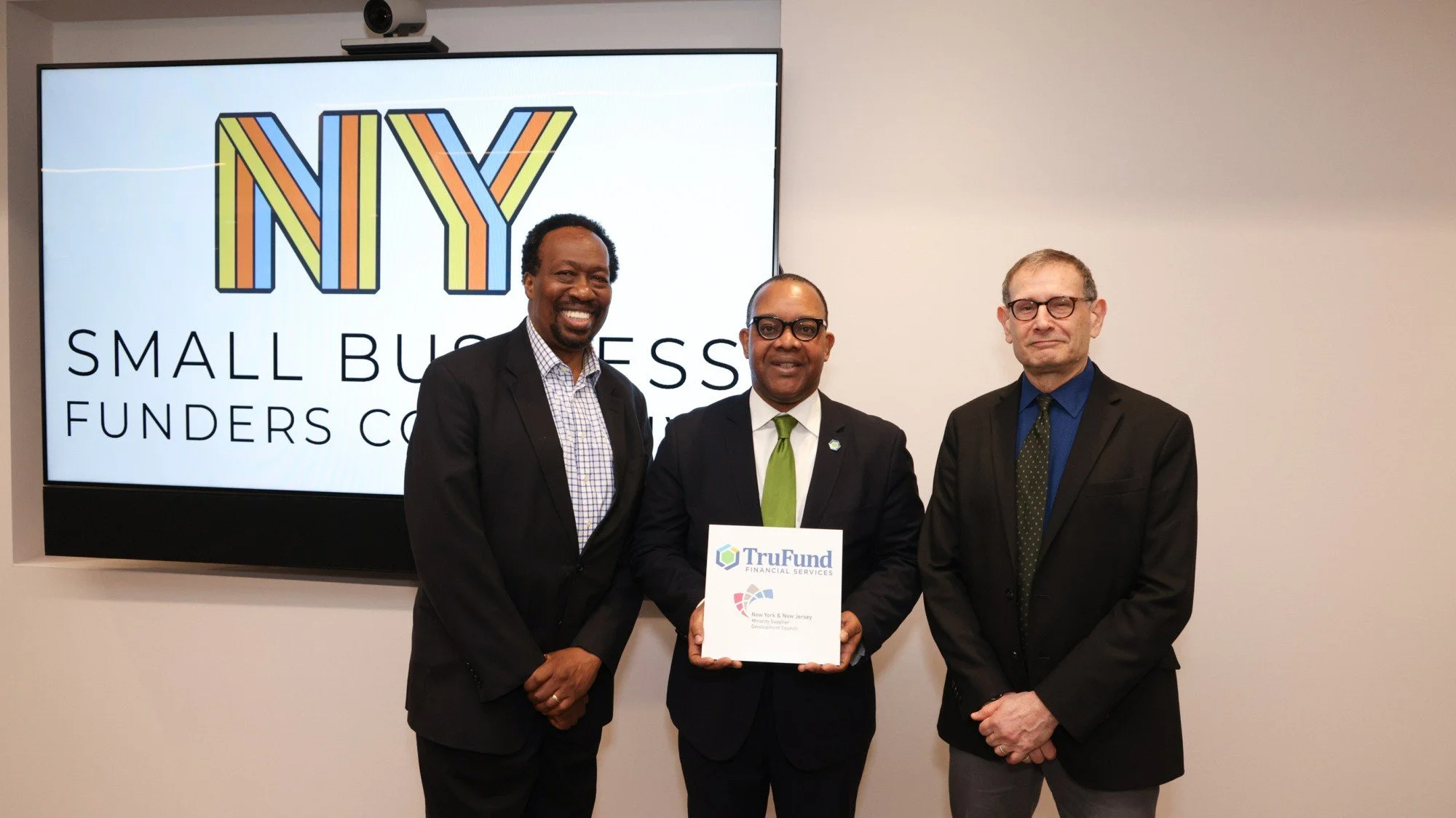
“We felt confident the loan would be repaid within a 3–4 month window, given what’s expected in terms of the cashflow on the requisition payments from Con Edison, so this was uncollateralized.”
TruFund, a CDFI that typically relies on municipal guarantors, took a different path. Because of Con Edison’s credit strength as the contract’s counterparty and the borrower’s long history with TruFund, the CDFI extended a $605,000 uncollateralized loan — expected to be repaid within a 3-to-4 month window from Con Edison’s requisition payments. Uncollateralized lending at that scale is rare in CDFI work. What made it possible wasn’t just the corporate contract; it was a relationship built over more than a decade and a funder collaborative willing to support deals that don’t fit the standard template.
605,000 uncollateralized loan; 3–4 month expected repayment cycle; backed by a Con Edison-contracted construction firm in eastern Brooklyn.
Food as Medicine: Bringing Local Growers into a Brooklyn Cancer Center
The Brooklyn Communities Collaborative’s Cohort Two work sits at an unusual intersection: small food businesses, anchor institutions, and the clinical concept of food as medicine. When the BCC team met with the facilities manager at a Brooklyn cancer center, the conversation turned quickly to what the center needed most — healthier food for patients and staff. That request mapped directly onto the Brooklyn Food Guild’s mission: local sourcing, eating well, and food as medicine.
The partnership is beginning to connect local growers and food producers with the institutional procurement pipeline of a major healthcare facility — a channel that small businesses rarely access on their own.
“When we went over to the cancer center to meet with the facilities manager, they were saying how much they need healthy food. The administrator for the cancer center was talking about the opportunities with the Food Guild.”
What makes this partnership especially notable in Cohort Two is the coordination happening behind the scenes. Brooklyn Food Guild, Hot Bread Kitchen, and Working World realized they were all talking to the same small businesses — and the same anchor institutions — about overlapping opportunities. They’ve formed a sub-group to coordinate their efforts, so cohort businesses don’t receive duplicate outreach and anchor institutions get a coherent offer. That’s exactly what a funder collaborative is supposed to produce: not just individual grants, but the connective tissue that turns parallel efforts into compounding impact.
Active coordination sub-group formed between Brooklyn Food Guild, Hot Bread Kitchen, and Working World to align outreach to shared small businesses and anchor institutions.